What Is Hanal Pixán? The Mayan Day of the Dead in Yucatán | GVC

What Is Hanal Pixan? How the Day of the Dead Is Celebrated in the Yucatán Peninsula
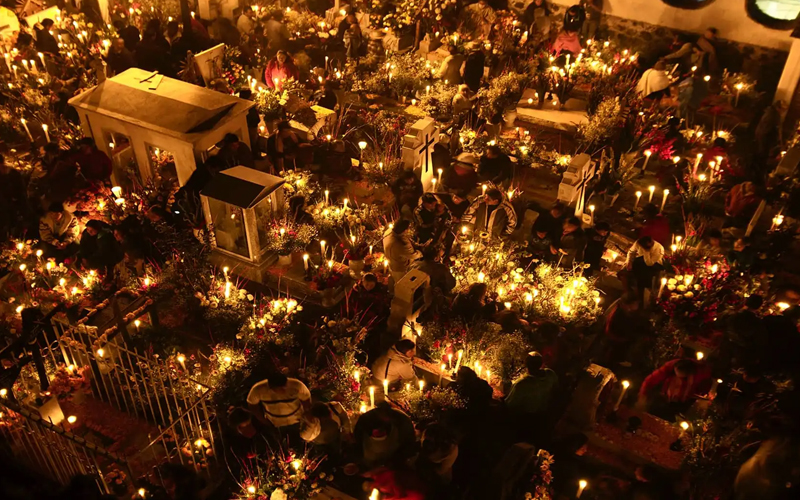
If you visit Cancun or the Riviera Maya in late October, you will encounter a tradition that connects Maya culture with the memory of those who have passed away: Hanal Pixan. During these days, families prepare altars, traditional dishes, and offerings to symbolically welcome the souls of their loved ones.
Although it shares some similarities with Día de Muertos, Hanal Pixan has its own identity, shaped by Maya cosmology, gastronomy, and the customs of the Yucatan Peninsula.
What Is Hanal Pixan and What Does It Mean?
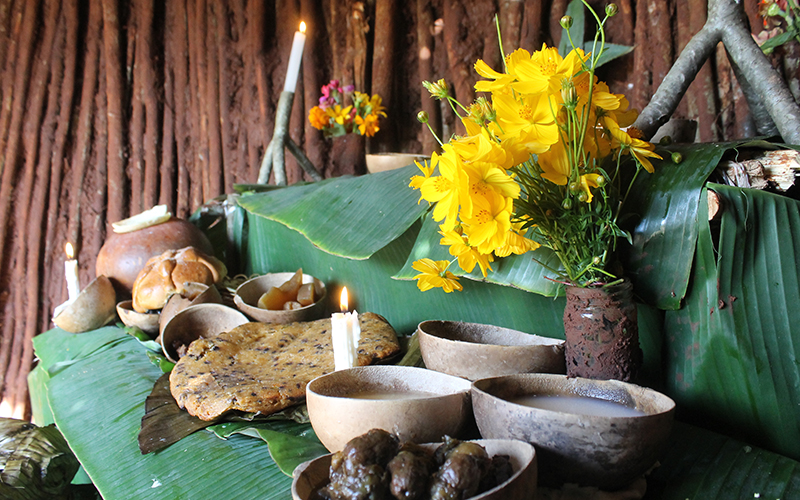
Hanal Pixan means “food for the souls” in the Maya language. It is a tradition in which families prepare altars and offerings to remember their deceased loved ones and maintain a connection between the living and those who have passed away.
The celebration takes place mainly from October 31 to November 2 and combines elements of ancient Maya traditions with Catholic practices introduced after the Conquest.
Origins: From Maya Cosmology to Syncretism
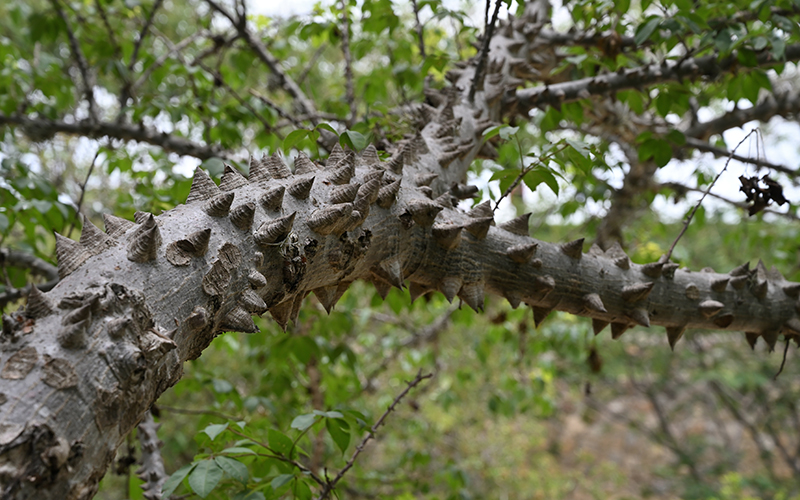
To understand Hanal Pixán, it is important to understand how the ancient Maya viewed life, death, and the universe. According to Maya cosmology, the world was made up of different realms. The sky had 13 levels, while the underworld, known as Xibalbá or Mitnal, had nine levels. The ceiba, or Ya'axche', was considered a sacred tree believed to connect these realms, serving as an axis of the cosmos.
After the Conquest, these beliefs became intertwined with Catholicism. From this cultural encounter came the tradition that souls return once a year for eight days to visit their families, giving rise to celebrations dedicated to the faithful departed.
Hanal Pixán is also connected to the agricultural cycle. INAH has documented its relationship with the first rains of October and the arrival of new corn, connecting the celebration of the dead with the cycles of the land and food.
If you want to learn more about this culture, you can check out our guide on who the Maya were.
When Is Hanal Pixan Celebrated? The Three Days of Hanal Pixan
Hanal Pixan is celebrated from October 31 to November 2, and each of these dates has a particular meaning within the tradition. Throughout these days, families prepare their homes to remember and symbolically welcome the souls of their loved ones.
| Date | Tradicional name | Who is it dedicated to? |
|---|---|---|
| Octuber 31 | U Hanal Palal | The day dedicated to the souls of children. |
| November 1 | U Hanal Nucuch Uinicoob | A day to remember the souls of adults. |
| November 2 | U Hanal Nucuch Uinicoob | A time to remember all souls. |
The Hanal Pixan Altar: What It Includes and What It Symbolizes
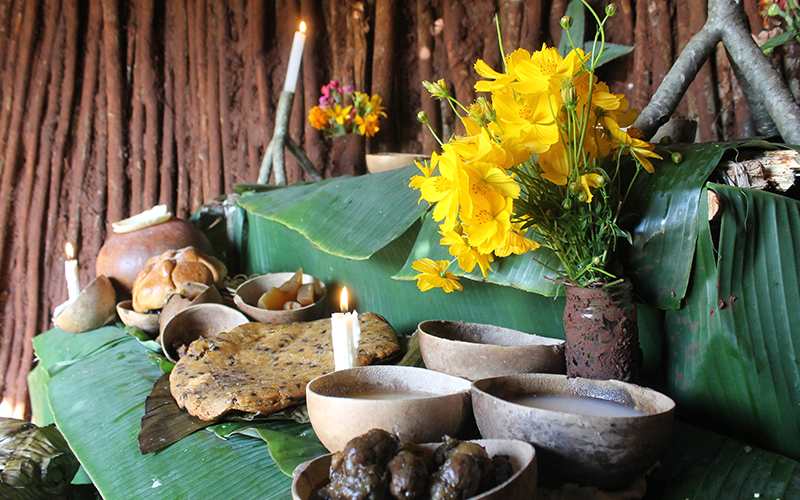
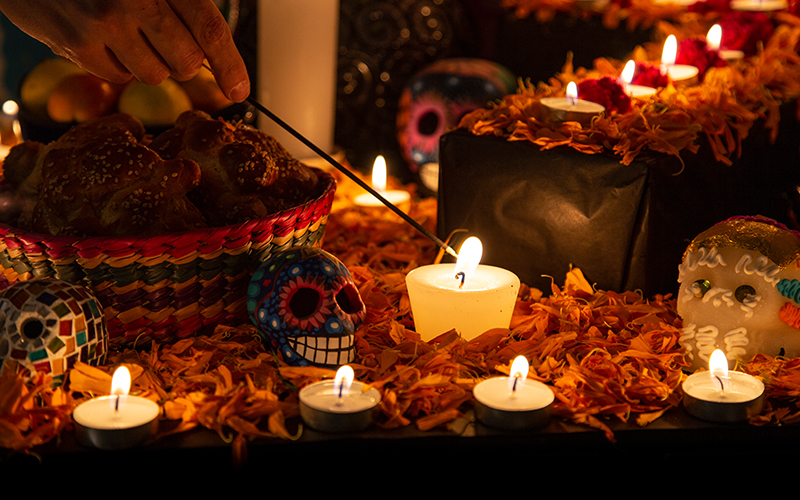
The altar is one of the main elements of the celebration. It includes candles, flowers, photographs, and food that are symbolically offered to the souls.
Children's Altar
An altar dedicated to children usually includes brighter colors, sweets, and toys, along with flowers and food.
Adults' Altar
An altar for adults may include traditional foods, beverages, candles, photographs, and other objects connected to the deceased person.
The Table for the Ánima Sola
In some communities, a table is also prepared for the ánima sola, dedicated to souls who do not have family members to prepare an offering for them.
Mucbipollo: The Star Dish
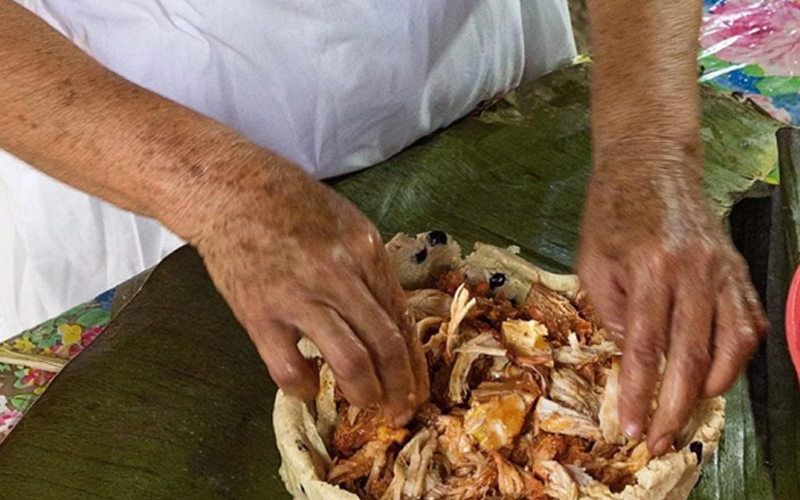
One of the most representative foods of Hanal Pixán is mucbipollo, or pib, a large tamal made with corn dough and different fillings, traditionally cooked underground. Corn plays a central role in Maya culture and in this celebration, where food serves as a way to honor and remember deceased family members.
If you want to learn more about Yucatecan gastronomy during your trip, you can complement your experience with a Maya cooking tour in Chichén Itzá.
Hanal Pixan vs. Día de Muertos: What Is the Difference?
Although both traditions remember and honor loved ones who have passed away, Hanal Pixán has its own characteristics rooted in Maya culture and the Yucatán Peninsula. If you visit the region during this time of year, these are some of the differences you may encounter:
|
| Hanal Pixan | Día de Muertos |
|---|---|
| Where you will find it | Mainly in Yucatán, Quintana Roo, and other communities across the peninsula. |
| When it is celebrated | October 31 to November 2 |
| Altar | Family altars with traditional food, candles, flowers, and elements of Maya culture. |
| Traditional food | Mucbipollo or pib is the main dish, along with other Yucatecan foods. |
In reality, you do not have to choose between Hanal Pixan and Día de Muertos. If you visit the peninsula during this time of year, you may encounter a combination of both traditions, especially at cultural events and tourist attractions.
Where to Experience Hanal Pixan If You Are in Cancun or the Riviera Maya
In Cancun and Quintana Roo
If you are in Cancun, you can find altars, cultural activities, and Día de Muertos celebrations in late October and early November. For an experience that is more closely connected to Maya traditions, it is worth exploring other destinations across the peninsula.
Valladolid
Valladolid is a great option for combining culture, gastronomy, and archaeological sites during this time of year. You can take the opportunity to explore the city and other attractions in the region, such as Ek Balam, with a private tour to Ek Balam and Valladolid.
Mérida and the 2026 Festival de las Ánimas
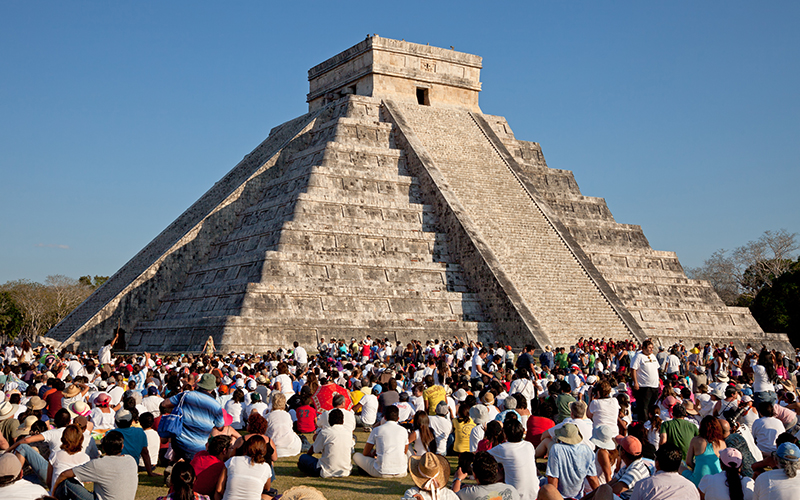
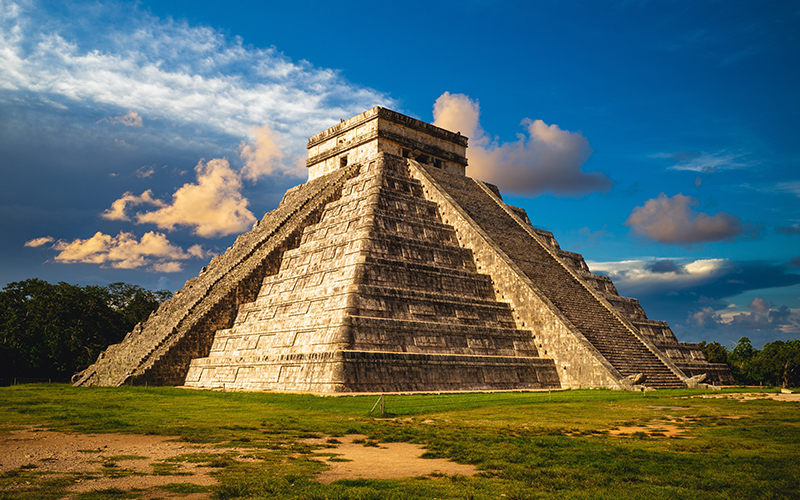
If you are looking for a larger-scale celebration, Mérida is one of the best options. The 2026 Festival de las Ánimas will take place from October 24 to November 2 and will feature more than 30 activities related to Yucatán's traditions and cultural heritage. The traditional Paseo de las Ánimas will take place on October 30, with a route from the General Cemetery to San Juan. From Cancun, you can consider a private tour to Chichén Itzá and take the opportunity to learn more about Maya culture during your trip.
Xcaret
In the Riviera Maya, the Xcaret Festival of Life and Death is another option for experiencing a celebration connected to Día de Muertos. In 2026, it will take place from October 30 to November 2, featuring altars, gastronomy, workshops, handicrafts, exhibitions, theater, dance, and concerts.